



Never in the history of viticulture have consumers had access to such a diversity of quality wines. Thanks to advances in viticulture and oenology, and to a better understanding of terroirs, winegrowers now craft wines of remarkable precision. Yet beyond technique, wine remains above all a powerful vehicle for sharing, culture, and conviviality.
Unprecedented quality in the history of wine
Wine has accompanied civilizations for nearly 8,000 years. Yet despite this long history, the wines we taste today are probably among the best ever produced.
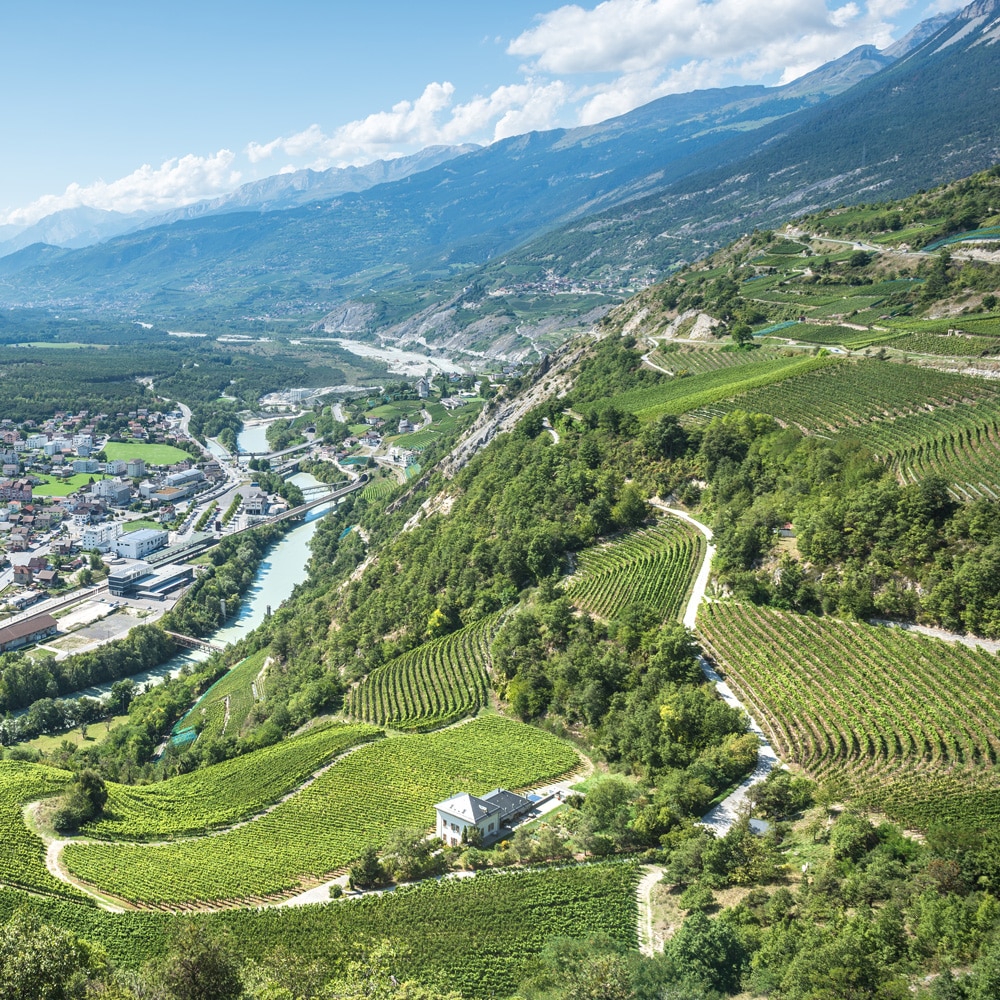
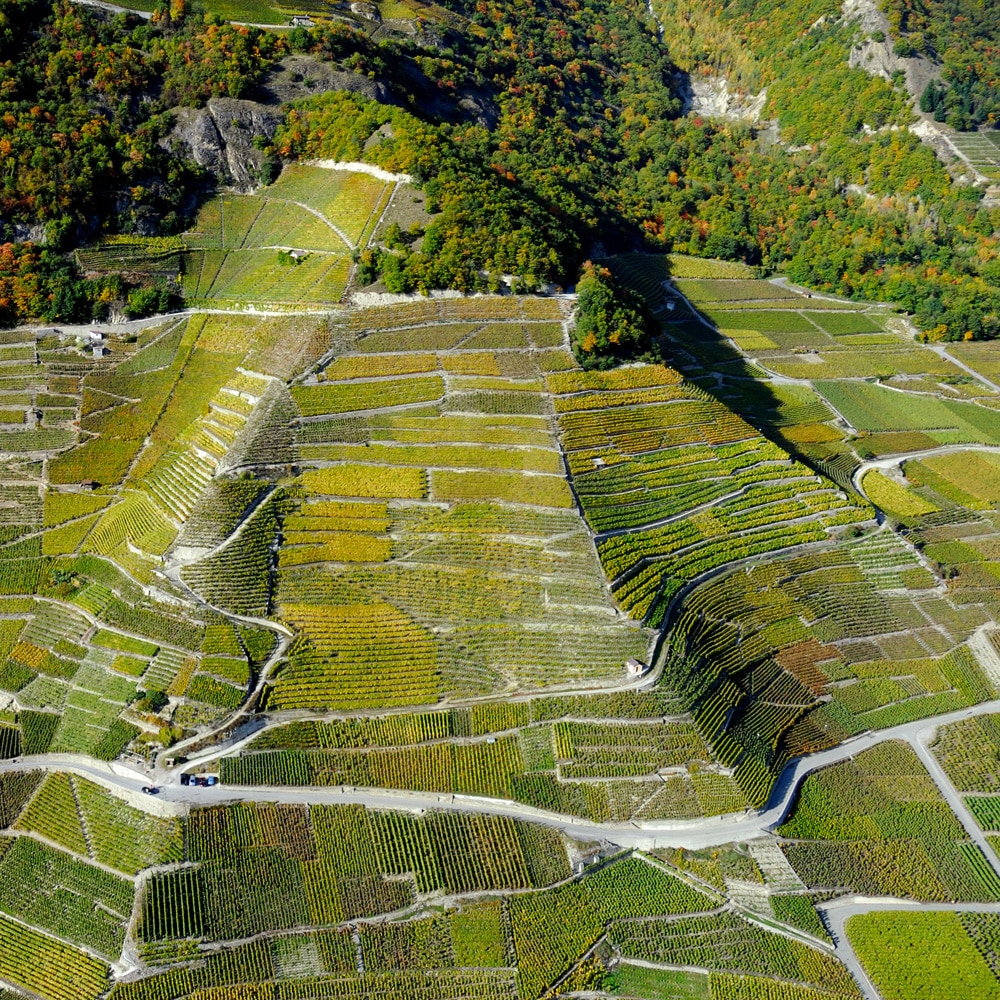
Progress in vine knowledge makes it possible to better understand the plant’s needs, preserve soils, and more faithfully reveal the identity of each terroir. Added to this are advances in modern oenology, as well as impeccable hygiene in cellars, ensuring more precise and more consistent winemaking.
This technical mastery is not intended to standardize wines, but on the contrary to express their full uniqueness.
Wine: a story of wisdom and sharing
Across the centuries, wine has held a special place in human societies. While it was consumed differently depending on the era and social class, one constant remains: excessive drunkenness has almost always been condemned.
The Greeks, the Romains, and even medieval thinkers already associated wine with moderation and conviviality rather than excess.
This view is reflected in Latin etymology itself. The word sapientia, meaning wisdom, shares its root with sapere, a verb that evokes at once tasting, sensing, understanding, and knowing.
A fine illustration of wine’s cultural role: that of a link between the senses, intelligence, and human relationships.
A companion for life’s great moments
Wine has always accompanied the moments that matter.
We raise a glass to the birth of a child, to the happiness of newlyweds, to the success of a project, to renewed friendship, or to the memory of a loved one who has passed away. Wine marks the important stages of life and encourages exchanges between generations.
Far more than a simple beverage, it is a universal language of sharing and conviviality.
Preserving wine culture for future generations
At a time when consumption habits are changing and new alternatives are emerging, wine retains a unique place in our cultural heritage.
The exceptional quality of wines produced today is an opportunity. Still, it is essential to pass on to future generations a taste for discovery, respect for the product, and an understanding of the terroirs that shape it.
For the pleasure of wine lies not in the quantity consumed, but in the emotion it provides when it accompanies a moment of sharing.
Conclusion: Today's wines achieve an unprecedented level of quality
Never have winegrowers had so much knowledge at their disposal to produce quality wines. Yet the true richness of wine is not measured only in the glass. It lies in its ability to bring people together, to pass on a culture, and to create bonds between individuals. After 8,000 years of history, wine remains more than ever a symbol of conviviality and shared pleasure.
Previous episode: Drinking through the ages
Next episode: Wine and religion